

Let’s face it, electric repairs can be costly. But they are necessary to keep your electrical system running smoothly and safely. However, not all necessary electricity work needs to be performed by a residential electrician. Performing electrical repairs yourself may take more time for you to do safely, but it should ultimately be less expensive. But how do you know when the DIY approach is even a viable option? Continue reading to learn which electric repairs can be done by amateurs and which ones need a residential electrician.
Replacing a Light Switch
Light is a central component of our indoor spaces, so when light switches don’t work like they’re supposed to, everyone feels it. In most cases, this electric repair can be done at home, but if you are wiring a light switch with a dimmer controls or handling a three-way switch, wiring is more complex and requires a residential electrician. Improper wiring will do more than hamper how your switches work, they can cause shorts, shocks, and even fires.
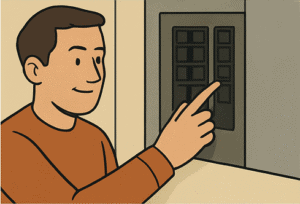
Whenever performing electrical repair, start by turning off the power at the breaker.
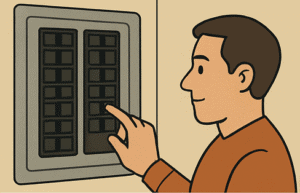
Use a voltage tester to make sure the switch is not live.
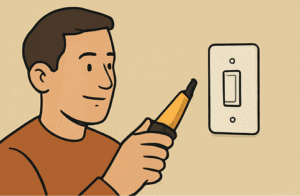
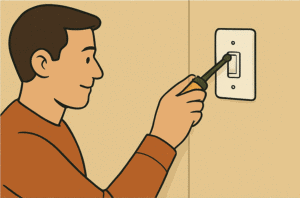
Remove the plate cover from the light switch.
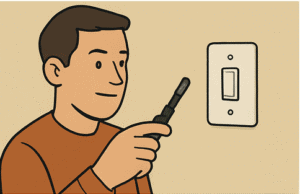
Remove the switch from the electrical box in the wall.
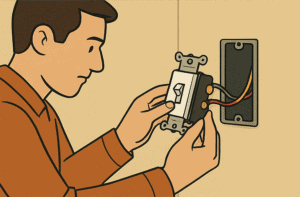
Wiring a light switch requires expert precision, so take a picture of how the wires are connected to the old switch so you can reconnect them to the new one the same way. Typically, the wires will be color coded for easy rewiring.
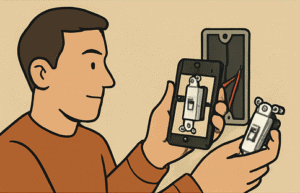
Carefully disconnect the wires from the old switch.
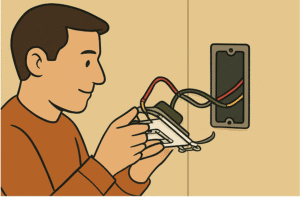
Reattach the wires to the correct terminals on the new switch using the picture on your phone as reference.
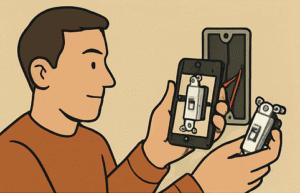
Place the new switch into the electrical box and screw it in.
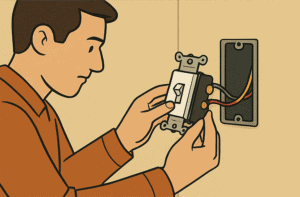
Replace the plate cover.
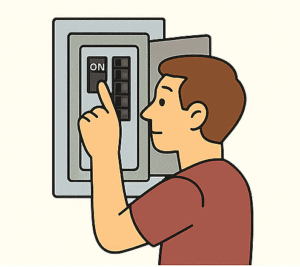
Turn the power back to by flipping the corresponding circuit breaker.
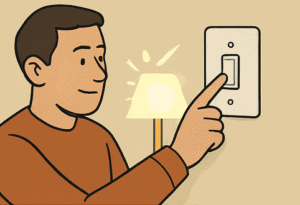
Test your electric repair by turning the light switch on.
Installing a Light Fixture
Replacing or installing a light fixture is another DIY task many people can handle successfully, so long as the wiring already exists and the new fixture doesn’t exceed the circuit’s recommended wattage.
If your light fixture passes these requirements, you can begin your electric repair by shutting off power at the circuit breaker.
Double check that the power is off with a voltage tester.
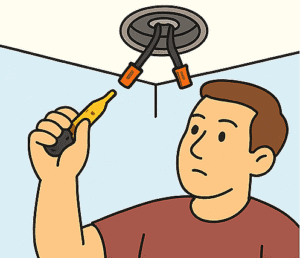
Most light fixtures come with clear instructions, and if you’re dealing with standard black, white, and ground wires, you can likely complete the job with minimal risk. Just as with wiring a light switch, take a picture of how the wires in the old fixture are connected.
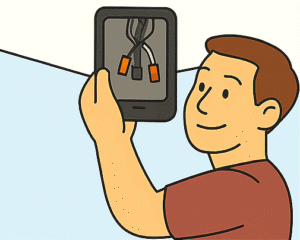
Install the new fixture matching the wire pattern in the picture you took. Make sure the fixture is secure and attach any decorative covers.
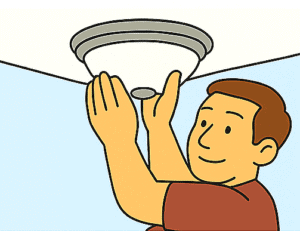
Restore power by flipping the corresponding circuit breaker switch.
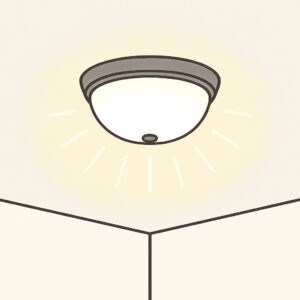
Test your new light source.
Replacing an Electrical Outlet
Electrical outlets are a vital component of all buildings as they play a big part in delivering power to connected devices. So, when they stop working properly, it’s important to get them fixed as quickly as possible. This electrical repair can generally be DIYed if you’re replacing an old two-prong outlet with a three-prong one or swapping out a damaged one. However, if you need to repair or replace a ground fault circuit interrupter (GFCI) or arc-fault circuit interrupter (AFCI), it’s best to call a residential electrician to safely handle these advanced outlets. Both of these outlets will have “test” and “reset” buttons on them and may even be in your circuit breaker. Since GFCI outlets protect against electrical shocks, they’re most likely to be found in areas near water like a bathroom or kitchen. AFCI outlets on the other hand prevent electrical fires caused by electrical arcs so they’re most likely to be in areas where electricity is used often like bedrooms and living rooms.
When it’s time to replace an electrical outlet, begin by once again shutting off the power by flipping the corresponding circuit breaker.
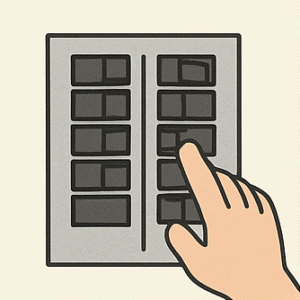
Double check that the power is off by using a voltage tester on the outlet.
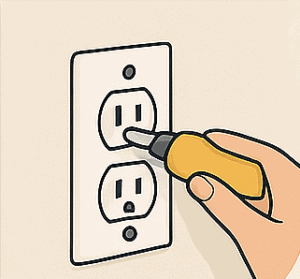
Remove the cover plate from the outlet.
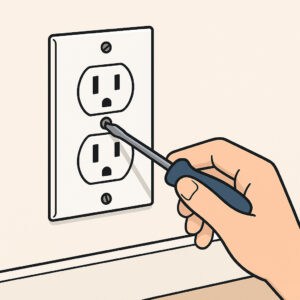
Unscrew the outlet from the wall box.
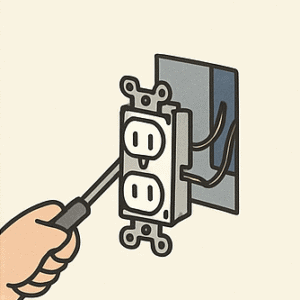
Take a picture of the electrical outlet wiring layout to guide your reinstallation.
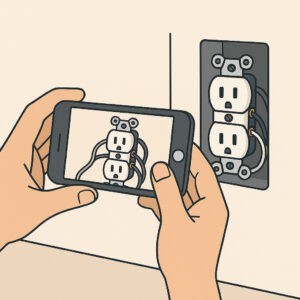
Reattach the new outlet to the wires using the same configuration.
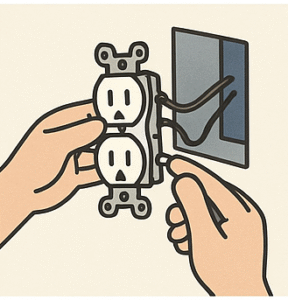
Screw the new outlet into the electrical box.
Reattach the cover plate.
Restore power by flipping the circuit breaker switch on.
Test your electrical repair.
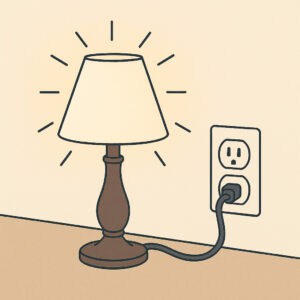
Keep in mind that all DIY wiring, not just electrical outlet wiring, should be completed with care. Incorrect wiring isn’t just a minor error; it can cause shock hazards or even electrical fires. If the outlet sparks or is warm to the touch, do not attempt any electricity work and call a residential electrician as soon as possible.
Warning Signs You Need Professional Electrical Repair
Even the handiest amateur should know when to back away from DIY electrical repair. Electrical systems can be complicated and pose severe risks if improperly handled. Here are some clear warning signs that it’s time to bring in a residential electrician:
- Buzzing, humming, or sizzling sounds are coming from the walls, switches, or outlets
- Burning smells or scorch marks are near electrical panels or outlets
- Flickering lights continue after bulb replacements
- Frequent breaker trips or blown fuses
- Power loss in part of the home with no clear cause
- Warm or discolored outlets
These issues indicate deeper electrical problems often involving wiring, grounding, or overloading. Attempting this kind of electrical repair without training can put your life and property at risk. So, if you see any of these signs, it’s always best to err on the side of caution.
Need Expert Electrical Repair? Landis Electric Can Help!
Doing a few small electrical repairs on your own can be a smart way to save money and learn more about your building’s systems. But when electric repair goes beyond your comfort zone or involves risks to your safety, hiring a residential electrician is the right choice. Call to schedule a consultation today to get expert electrical repair that will grant you peace of mind knowing your systems are working properly.
Enjoy content from Landis Electric KC? Make us one of your preferred sources on Google.