
If you have incandescent lightbulbs in your home, you’re missing out on countless ways to revamp your indoor and outdoor lighting. As licensed electricians, we’ve seen firsthand how popular and versatile LED light bulbs are, as well as how switching to them can cause electrical issues if homeowners aren’t prepared. That’s why we’re covering everything you need to know about LED lighting in this article, including:
- Incandescent vs. LED lighting
- LEDs and new lighting designs
- Outdoor lighting and LEDs
- How LEDs impact your home’s electrical service
- LED installation
Switching to LED lighting involves much more than just changing a few lightbulbs. If you want to understand why LEDs require more work, continue reading this article and avoid preventable electrical repair.
Incandescent vs. LED Lighting
Indoor and outdoor lighting has become an integral part of our everyday lives, but this didn’t use to be the case. In fact, even after the incandescent lightbulb became commercially available in 1879, it required a great deal of energy to heat the filaments inside just to produce up to 14.5 hours of light. This may have been groundbreaking at the time, but by today’s standards it simply isn’t practical.
While many physicists focused on improving the incandescent lightbulb for everyday use, others were working on an entirely new discovery: electroluminescence. Originally discovered by accident in the early 1900s, physicists started experimenting with light created from an electric current running through zinc sulfide powder. Over the next 60 years, countless physicists worked to understand how to make this lighting brighter and more stable, until 1962 when the first LED light bulb was invented and ready for commercial use. However, it wasn’t until 2002 that LED light bulbs became available for residential use as well. Since then, LEDs have taken off due to the following benefits:
Efficient Energy Consumption
LED lights don’t just last longer; they reduce energy consumption and save you money on your electricity bill. According to the U.S. Department of Energy, residential LEDs use at least 75% less energy than incandescent lighting. That’s a lot of energy that you otherwise would have wasted with multiple incandescent lights.
Better Light Emission
According to Indiana University of Pennsylvania, about 80% of the electrical energy used by LEDs is converted into light, while only 20% is converted into other forms of energy like heat. On the other hand, incandescent light bulbs lose 80% of their energy to heat generation, making them produce less light, inefficient, and a major fire risk. It’s no wonder LEDs have become so popular in both indoor and outdoor lighting systems, especially since they offer more than just light bulbs.
LEDs and New Lighting Designs
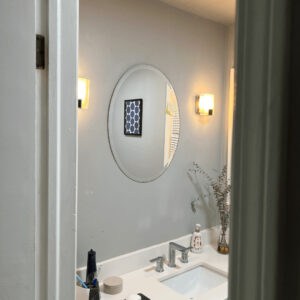
Whether you’re looking to upgrade a light fixture or install a brand-new lighting system, LEDs can make almost anything possible. This is because LEDs are compact and cool, so electricians can install lighting in places that were once unsafe or impractical. For example, accent lighting, under-cabinet lighting, stair lighting, and more creative lighting designs are all becoming common thanks to LEDs. Not to mention, LEDs can come in different colors with dimming features, allowing homeowners to try new lighting designs they never dreamed of before. Just check out some of the work we’ve done with LED lighting:
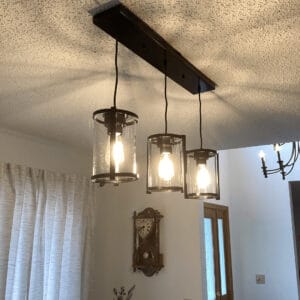

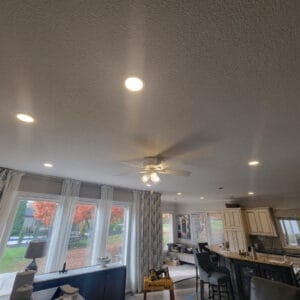
But LEDs don’t just work indoors; they can also elevate any outdoor lighting system.
Outdoor Lighting and LEDs
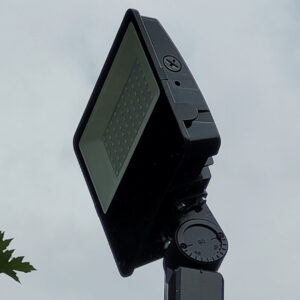
Homeowners are adopting LEDs for outdoor lighting faster than anywhere else. This has happened for several reasons. Firstly, because LEDs handle weather better than incandescent bulbs. They resist vibration, moisture, and temperature changes. LED outdoor lighting also requires less maintenance, which is convenient for hard-to-reach fixtures. Ultimately, outdoor lighting offers homeowners better visibility and safety, lower energy usage, fewer bulb replacements, and cost-efficient lighting. Not to mention, LED lighting can be installed anywhere you want. They are especially great for indoor or outdoor kitchens, hot tubs, patio decorations, security lighting, chandeliers, and more. LED bulbs don’t just transform outdoor lighting though; they improve how your entire lighting system works.
How LEDs Impact Your Home’s Electrical Service
While LEDs generally reduce the demand for electrical service after they are installed, they sometimes require professional help to implement them in older homes. For example, older wiring can’t handle modern fixtures well, and outdated panels will struggle with new controls. This is why electricians recommend evaluating your electrical system before large lighting upgrades, especially for outdoor lighting projects or whole-home conversions. The better you and your electrician understand your current electrical system, the easier it will be to service and install your new LED lighting. And even with these potentially higher installation costs, the U.S. Department of Energy states that LED lighting can save the average household about $225 a year in energy costs.
LED Installation
Many people assume LEDs are always easy to install. Sometimes they are, sometimes they’re not. Simple lightbulb swaps are usually safe, and there are some LED signs and decorations that just need to be plugged into an outlet. But other custom LED projects are more complex:
- Integrated LED fixtures
- Landscape and outdoor lighting systems
- Hardwired accent lighting
- Smart lighting controls
These installations often require permits, load calculations, and proper grounding. Poor installation can cause light flickering, shortened fixture life, or safety hazards that lead to electrical repair. When lighting work goes beyond a simple bulb change, a licensed electrician should be involved.
Looking to Update Your Home’s Lighting? Landis Electric Can Help!
If you’re upgrading your entire house to LED lighting or planning new outdoor lighting, expert guidance matters. The last thing you want is to try to handle the upgrades yourself and encounter light flickering or need emergency electrical repair. That’s why you need licensed electricians to help plan and implement your next lighting project. Call to schedule a consultation today and talk with an expert about upgrading your lighting system so that it better meets your needs.
LED Lighting FAQs
LEDs use less energy, produce less heat, and last longer, making them safer and more efficient.
Yes. LEDs perform well in weather, resist vibration, and reduce maintenance in outdoor lighting systems.
They can, but only if the electrical system is in good condition. Flickering often signals wiring issues.
Common causes include incompatible dimmers, loose wiring, voltage changes, or panel issues that need electrical repair.
Yes. LEDs reduce overall load, but they do not fix damaged wiring or outdated panels.
Yes, because they run cooler and reduce heat-related risks.
Yes. Drivers, connections, and fixtures can fail and may require electrical repair.
Improper installation can cause overheating. Professional installation prevents this risk.
Yes, but older wiring should be evaluated before major upgrades.
If you see flickering, repeated failures, or breaker issues, call a licensed electrician.
Enjoy content from Landis Electric KC? Make us one of your preferred sources on Google.